


Driving Sustainability for Modern Industries
In an era defined by climate urgency, environmental accountability, and global sustainability commitments, the transition to renewable energy is no longer optional—it is a strategic responsibility. Solar power stands at the forefront of this transition, offering a transformational pathway for multinational corporations to reduce their carbon footprint, strengthen ESG performance, and position themselves as champions of sustainable development.
We partner with industry leaders to implement advanced, reliable, and future-ready energy solutions that align with global sustainability agendas, corporate governance expectations, and community well-being. Transitioning operations to solar energy offers industries a powerful opportunity to demonstrate environmental leadership, strengthen global ESG performance, and directly contribute to key Sustainable Development Goals (SDGs).

The Global Call for Sustainability

The responsibility to reduce environmental impact has never been greater. The manufacturing sector, in particular, faces rising expectations to cut emissions and adopt cleaner production practices. Transitioning to renewable energy positions an organization as a frontrunner in sustainable manufacturing and sets a powerful example for the global industrial ecosystem.
Climate Emergency & Corporate Responsibility

The world faces accelerating environmental challenges—rising temperatures, unprecedented carbon emissions, and pressure on natural resources. Governments, investors, and customers increasingly expect corporations to lead the transition toward climate-responsible practices
Solar energy offers one of the most effective, scalable, and measurable solutions to meet these expectations, enabling companies to reduce carbon footprints while securing long-term energy resilience.
Demonstrating Environmental Leadership

Industries are key contributors to global sustainability frameworks such as the UN SDGs, Paris Climate Agreement, and Net-Zero Roadmaps. Solar adoption reflects not only compliance but proactive leadership—showcasing a clear commitment to a cleaner, more responsible global manufacturing ecosystem.
Contribution to Sustainable Development Goals (SDGs)
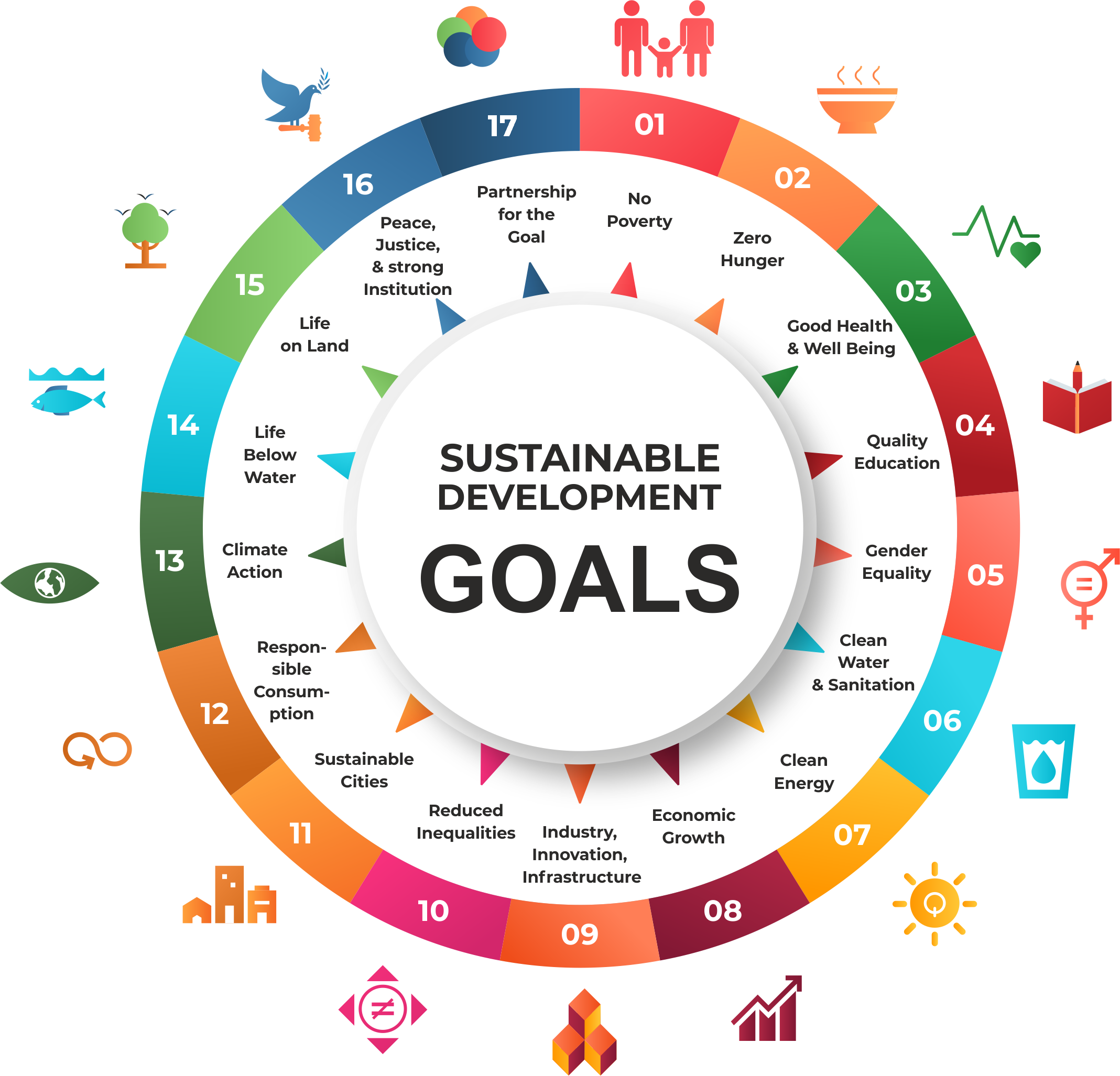
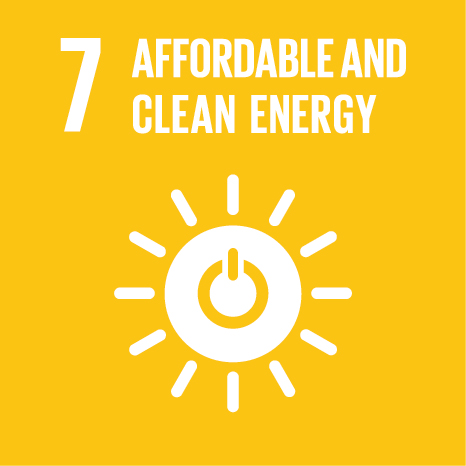
SDG 7 - Affordable and Clean Energy
Solar energy provides clean, reliable, and renewable power, reducing dependence on fossil fuels.

SDG 9 — Industry, Innovation, and Infrastructure
Solar installations reflect modern, climate-resilient infrastructure and represent a commitment to innovation-driven, future-ready manufacturing

SDG 12 — Responsible Consumption and Production
Clean energy optimises resource use and supports greener production cycles in line with global sustainability standards.

SDG 13 — Climate Action
Solar power substantially lowers carbon emissions, strengthens ESG performance, and enhances annual sustainability disclosures.

SDG 17 — Partnerships for the Goals
Collaborating with renewable energy partners creates powerful sustainability alliances that drive industry-wide transformation.
Strengthening ESG Performance
Solar adoption significantly elevates an organization’s Environmental, Social, and Governance (ESG) profile, reinforcing its commitment to responsible, future-ready global manufacturing.
Integrating solar energy delivers strong environmental gains
- Significant reduction in Scope 1 and Scope 2 emissions
- Stronger alignment with net-zero commitments
- Better sustainability reporting under GRI, CDP, and global ESG frameworks
- Reduced impact on surrounding communities
- Lower long-term environmental liabilities
These outcomes position an organization as a leader in clean-energy–driven manufacturing excellence.
Renewable energy improves governance standards
- Transparent sustainability disclosures supported by clean energy
- Reduced climate-related and operational risks
- More responsible environmental decision-making
- Stronger compliance with global ESG mandates
These measures reinforce a governance framework based on integrity, sustainability, and long-term responsibility.


Benefits Beyond Energy Economics
Solar adoption delivers environmental advantages that extend well beyond cost savings.

Significant Carbon Reduction
Solar installations decrease carbon footprint per unit of production—an increasingly critical metric for global supply chains focused on low-emission sourcing.

Improved Air Quality & Community Well-Being
Solar reduces harmful emissions, benefiting employees and surrounding communities.

Conservation of Natural Resources
Solar requires no water for operation—crucial for regions facing water scarcity.

Advancing Circular Economy Principles
Solar adoption encourages clean-tech innovation, improved material efficiency, and panel recycling pathways.

Building a Future-Ready Global Brand
Transitioning to solar energy strengthens an organization’s position as a trusted, sustainability-driven manufacturer.

Stronger Client & Investor Confidence
Global buyers and investors prioritise suppliers with strong ESG performance. Solar adoption:
- Enhances ESG ratings
- Improves transparency
- Demonstrates environmental responsibility

Meeting Global Supply Chain Sustainability Requirements
International brands increasingly demand clean-energy compliance from suppliers. Solar integration ensures alignment with global procurement standards.

Enhancing Brand Reputation
Renewable energy strengthens brand identity as a responsible, future-ready manufacturer committed to climate leadership and innovation.

Solar Energy as a Strategic Advantage for Industries
Adopting solar transforms factories into global benchmarks for sustainability.

Demonstrating Global Sustainability Leadership
Solar-powered facilities showcase a company’s commitment to environmental protection and sustainable production.

Enhancing Long-Term Operational Stability
Solar provides stable, predictable power, reducing reliance on fossil fuel markets and enhancing operational reliability.

Amplifying CSR Impact
Solar energy projects contribute to cleaner air, healthier communities, and long-term environmental stewardship.
Our Role as Your Sustainability Partner
We bring deep expertise in designing, engineering, installing, and maintaining high-performance solar power systems tailored for industrial environments.
How We Add Value
We offer a complete, turnkey pathway to clean energy:
- Customised solar plant design
- High-efficiency modules and precision engineering
- Compliance with international quality and safety standards
- Support in ESG reporting and sustainability documentation
- End-to-end project execution
- Long-term maintenance and performance optimisation
A Strategic Commitment to a Cleaner Future
The transition to renewable energy is no longer an option—it is an imperative for forward-looking global manufacturers. Companies that invest in solar power today will lead their industries tomorrow through stronger ESG performance, greater operational resilience, and enhanced market credibility.
By adopting solar energy, an organization reinforces its commitment to innovation, responsibility, and global excellence. This step strengthens sustainability leadership, enhances stakeholder confidence, and contributes meaningfully to global environmental goals.
Now is the most strategic moment for industries to accelerate their clean-energy journey and set a defining example for the global manufacturing ecosystem.
Together, we can shape a cleaner, greener, and more resilient future—powered by solar energy

How We Add Value
We offer a complete, turnkey pathway to clean energy:
Customised solar plant design
High-efficiency modules and precision engineering
Compliance with international quality and safety standards